
Why Australia Is the Best Place to Visit in 2027: A Complete Travel Guide
Australia is a destination where extraordinary natural landscapes, welcoming cities,…
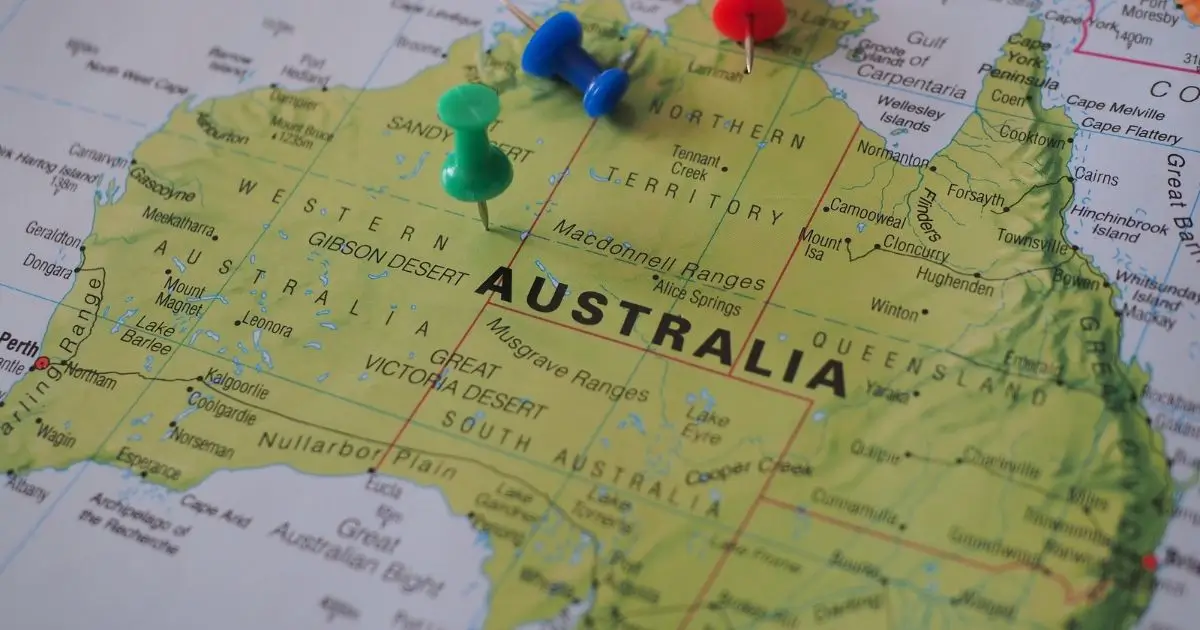
Australia is a destination where extraordinary natural landscapes, welcoming cities, fascinating wildlife and rich cultural traditions come together. From the golden beaches of the east coast to the red deserts of the Outback, every region offers something different. Whether you dream of exploring Sydney, swimming above colourful coral reefs or discovering ancient Aboriginal heritage, this country has experiences for every type of traveller. This guide explains why visit Australia, highlights its most memorable destinations and shares practical advice to help you plan a rewarding journey.
Table of Contents
Why Australia Is the Best Place to Visit
Choosing a holiday destination often means deciding what kind of experience matters most. Some travellers want relaxing beaches, others prefer outdoor activities, while many enjoy discovering new cultures and exploring lively cities. Australia brings these experiences together in one enormous country, making it an appealing choice for different travel styles.
One of the strongest reasons to visit is the variety. You can spend the morning walking through a modern city, enjoy lunch beside the ocean and finish the day watching the sunset over a spectacular natural landscape. A few days later, you could be exploring a rainforest, visiting a wine region or taking a scenic road trip through the countryside.
Australia also offers excellent infrastructure for visitors. Major cities have international airports, public transport, accommodation choices and organised tours. Travellers who prefer independence can rent a car and explore regional destinations, while those with limited time can concentrate on one or two areas.
- Natural diversity: Beaches, rainforests, deserts, mountains and coral reefs.
- Unique wildlife: Opportunities to observe kangaroos, koalas, wombats and native bird species.
- Outdoor experiences: Surfing, hiking, diving, sailing and wildlife watching.
- City life: Restaurants, museums, festivals, shopping and entertainment.
- Cultural discovery: Opportunities to learn about Aboriginal and Torres Strait Islander traditions.
Another advantage is that the country suits different budgets. Luxury resorts, boutique hotels, hostels, campsites and holiday apartments provide a range of accommodation options. Travelling outside major school holidays, booking flights early and comparing regional transport options can also help reduce costs.
Australia travel
Australia’s Beautiful Beaches and Natural Wonders
Australia has a coastline that offers far more than traditional seaside holidays. Visitors can find quiet sandy bays, dramatic cliffs, tropical islands and popular surfing beaches. The scenery changes considerably between regions, which means a beach holiday in Queensland can feel completely different from one in Western Australia or Tasmania.
Bondi Beach in Sydney is among the country’s best-known coastal attractions. Its combination of golden sand, surf culture, cafés and coastal walking routes makes it a convenient stop for international visitors. The Bondi to Coogee coastal walk is particularly rewarding, passing ocean pools, viewpoints and smaller beaches along the way.
For a more tropical setting, Whitehaven Beach in the Whitsunday Islands is famous for its exceptionally white silica sand and clear blue water. Travellers can reach the area through organised boat trips, sailing experiences and island excursions. It is an excellent choice for anyone looking for beautiful scenery and time on the water.
Nature lovers should also consider the Blue Mountains, located west of Sydney. This region is known for its eucalyptus forests, sandstone cliffs, waterfalls and walking trails. The Three Sisters rock formation is one of its most recognisable landmarks, while smaller towns offer cafés, galleries and accommodation surrounded by nature.
On the western coast, destinations such as Esperance attract visitors with turquoise water, white sand and dramatic coastal scenery. Tasmania offers another perspective, with rugged shorelines, sheltered bays and national parks that appeal to photographers and hikers.
These natural attractions explain why many travellers spend several weeks exploring different parts of the country. Rather than choosing beaches alone, consider combining coastal destinations with forests, mountains or national parks to experience a broader side of Australia.
Australia’s Unique Wildlife and Landscapes
Wildlife is another major reason to consider this destination. Australia is home to animals that are difficult or impossible to encounter naturally elsewhere. Kangaroos, koalas, wombats, echidnas and platypuses are among the species that attract visitors interested in nature and photography.
Kangaroos can sometimes be spotted in open grasslands, national parks and rural areas. Koalas are more difficult to find in the wild, but certain coastal forests and protected areas provide opportunities to observe them. Wildlife parks and conservation centres can also offer educational encounters, particularly for families travelling with children.
Kangaroo Island, off the coast of South Australia, is a particularly interesting destination for nature enthusiasts. Its landscapes include beaches, coastal cliffs, bushland and protected habitats. Visitors may encounter sea lions, kangaroos, koalas and several bird species while exploring the island.
The landscapes are equally varied. The tropical north contains rainforests and wetlands, while central Australia is characterised by red desert scenery and dramatic rock formations. Southern regions feature temperate forests, mountain ranges and changing coastal environments.
For a responsible wildlife experience, choose operators that prioritise animal welfare and avoid activities that involve disturbing wild animals. Keep a respectful distance, never feed wildlife unless an authorised guide specifically permits it, and follow signs in protected areas.
These encounters make Australia particularly rewarding for travellers who enjoy photography, nature walks and learning about ecosystems. The country is not simply a collection of famous landmarks; its natural environments are a major part of what makes a visit memorable.
Australia travel
Best Places to Visit in Australia
With such a large land area, deciding where to go can be one of the most challenging parts of planning a trip. The best places to visit in Australia depend on your interests, available time and preferred travel season. First-time visitors often begin with Sydney and Melbourne before adding a natural attraction such as the Great Barrier Reef or Uluru.
Other destinations deserve attention too. Queensland offers tropical islands and rainforests, Western Australia has remarkable beaches and remote landscapes, and Tasmania attracts visitors with its national parks and relaxed atmosphere.
Discover Sydney and Melbourne
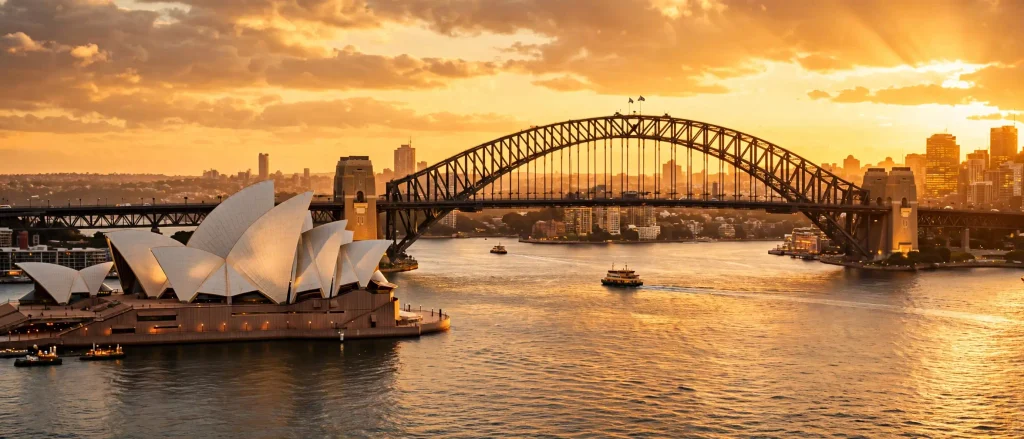
Sydney is often the first stop for international travellers. Its harbour, beaches and cultural attractions create an impressive introduction to the country. The Sydney Opera House and Harbour Bridge are essential sights, while Circular Quay provides a convenient starting point for ferries and waterfront walks.
Visitors can spend time at Bondi Beach, explore the historic streets of The Rocks or take a ferry to Manly. The Royal Botanic Garden offers attractive harbour views, and the city’s museums and galleries provide interesting alternatives when the weather is less suitable for outdoor activities.
Melbourne has a different character. It is particularly appealing to visitors interested in coffee, food, street art, music and sporting events. Its laneways contain independent shops, cafés and colourful murals, while the National Gallery of Victoria and nearby cultural venues provide opportunities to explore the city’s creative side.
Both cities are excellent starting points, but they should not be treated as interchangeable. Sydney is strongly associated with its harbour and coastal lifestyle, whereas Melbourne is often appreciated for its food culture, neighbourhoods and arts scene.
Explore the Great Barrier Reef and Uluru
The Great Barrier Reef is one of the most remarkable natural attractions in the world. Located off Queensland’s north-eastern coast, this enormous reef system supports an extraordinary variety of marine life. UNESCO describes it as containing hundreds of coral types and thousands of fish and mollusc species.
Visitors can explore the reef through snorkelling, scuba diving, glass-bottom boat trips and guided marine excursions. Cairns and Port Douglas are popular departure points, although different islands and coastal towns provide additional access options.
Choosing a responsible tour operator is important. Look for guides who explain reef protection, follow marine wildlife regulations and take care when operating around coral. Avoid touching coral or chasing marine animals, and follow all safety instructions provided by your crew.
Uluru, in the Northern Territory, provides a completely different experience. This enormous sandstone formation rises above the surrounding desert and is one of the country’s most recognisable landmarks. Its colours change throughout the day, particularly during sunrise and sunset.
Uluru is also a deeply significant cultural place for the Anangu Traditional Owners. Visitors can learn about its stories, landscapes and cultural importance through guided experiences and information at the national park. Photography restrictions apply at certain culturally sensitive locations, so always follow local signs and guidance.
Combining the reef and Uluru offers an excellent contrast between tropical marine environments and the Australian Outback. However, they are in different regions, so allow enough time for flights and ground transport rather than trying to fit both into an extremely short holiday.
Best Things to Do in Australia
There is no single way to experience the country. Some visitors prefer a relaxed holiday with beach days and city restaurants, while others build their itineraries around hiking, wildlife, diving or long-distance driving. The best things to do in Australia depend on the kind of adventure you want and how much time you have.
- Take a ferry across Sydney Harbour and enjoy the waterfront views.
- Go snorkelling or diving around the Great Barrier Reef.
- Walk through the rainforests of the Daintree region.
- Watch the sunset at Uluru from a designated viewing area.
- Explore Melbourne’s cafés, markets and street art.
- Visit national parks and discover native wildlife.
- Enjoy a scenic coastal walk or a guided kayaking trip.
- Experience local food markets and regional produce.
Water activities are especially popular. Surfing lessons are available at several coastal destinations, and sailing tours operate around the Whitsunday Islands. Travellers who prefer quieter experiences can choose coastal walks, wildlife cruises or peaceful beach stays.
Culture and entertainment also deserve a place in your itinerary. Depending on the city and season, visitors can attend concerts, sporting events, exhibitions and local festivals. Booking popular attractions ahead of time is sensible during school holidays and major event periods.
Experience Australia’s Outdoor Adventures
Outdoor activities are a central part of the Australian travel experience. The country offers opportunities for hiking, mountain biking, surfing, kayaking, sailing and wildlife watching. Many of these experiences are accessible to beginners, while experienced travellers can find challenging routes and more remote adventures.
Hiking enthusiasts can explore the Blue Mountains, the Grampians and Tasmania’s national parks. These regions offer trails through forests, mountain scenery and coastal environments. Before setting out, check trail conditions, expected weather, water availability and the difficulty level of your chosen route.
For ocean lovers, surfing is available at destinations such as Bondi, Byron Bay and the Gold Coast. Beginners should consider taking lessons with qualified instructors and using beaches with suitable conditions. Strong currents can be dangerous, so swim between the red and yellow flags where lifeguards provide that service.
Australia’s warmer regions also provide opportunities for sailing and kayaking. The Whitsunday Islands are particularly popular for boat trips, while coastal rivers and sheltered bays offer calmer alternatives for paddling.
Remember that outdoor conditions can change quickly. Carry sufficient drinking water, wear sun protection and tell someone your plans when exploring remote areas. National park websites and local visitor centres are useful places to check current safety information.
Enjoy Unforgettable Australian Road Trips
A road trip is one of the most flexible ways to discover regional Australia. Driving allows you to stop at small coastal towns, explore national parks and discover viewpoints that may not be included in standard organised tours.
The Great Ocean Road in Victoria is a popular choice. Starting near Melbourne, the route follows a spectacular coastline with beaches, cliffs and the famous Twelve Apostles rock formations. Travellers can divide the journey over several days, stopping in places such as Lorne and Apollo Bay.
Another option is the Pacific Coast route between Sydney and Brisbane. It offers access to coastal towns, beaches and destinations such as Byron Bay and the Gold Coast. Visitors can adjust the journey according to their interests, spending more time surfing, enjoying regional food or exploring national parks.
For a completely different experience, the Red Centre Way introduces travellers to the landscapes around Alice Springs, Kings Canyon and Uluru. This journey requires careful preparation because distances can be long and services limited in remote areas.
Before renting a vehicle, check driving licence requirements, insurance conditions and local road rules. Australia drives on the left-hand side. Plan fuel stops carefully, avoid driving long distances when tired and be particularly cautious around wildlife at dawn and dusk.
It is also important to understand that distances between major destinations can be much greater than they appear on a map. A realistic itinerary with enough time for rest and sightseeing will usually be more enjoyable than attempting to cover the entire country in one trip.
Discover Australia’s Aboriginal and Torres Strait Islander Cultures
Understanding the cultures of Australia’s First Peoples adds an important dimension to any visit. Aboriginal and Torres Strait Islander communities have distinct identities, languages, traditions and connections to Country. Their histories and cultural knowledge are an essential part of the country’s identity.
Travellers can learn through guided cultural tours, art centres, museums and community-led experiences. These activities may introduce visitors to traditional stories, local landscapes, bush foods, artwork and the continuing importance of cultural knowledge.
At Uluru, for example, visitors can learn about the connection between the Anangu people and the surrounding landscape. In other regions, Indigenous-led experiences may focus on coastal traditions, rainforest knowledge or the history of local communities.
Respect is essential when visiting culturally significant places. Follow instructions about photography, avoid entering restricted areas and listen carefully when guides explain local customs. Some knowledge and stories are shared only in particular cultural settings, and visitors should respect those boundaries.
Where possible, choose experiences operated by Aboriginal and Torres Strait Islander businesses or community organisations. This gives visitors an opportunity to learn directly from local people while supporting Indigenous tourism and cultural preservation.
Experience Australia’s Food, Lifestyle and Vibrant Cities
Food is another enjoyable part of exploring the country. Australian cities bring together influences from many cultures, creating a diverse dining scene that ranges from casual cafés to international restaurants and regional food experiences.
Melbourne is particularly well known for its coffee culture and multicultural restaurants. Sydney offers excellent seafood and waterfront dining, while Adelaide provides access to renowned food and wine regions. Smaller towns also have local markets, bakeries and producers that reflect their regional character.
Some foods and drinks worth trying include meat pies, fresh seafood, lamingtons, pavlova and locally produced cheeses. Australia’s multicultural population also means that travellers can find a wide selection of Asian, Mediterranean and Middle Eastern cuisines.
The lifestyle is another attraction. Outdoor cafés, coastal walks, public parks and weekend markets are part of everyday life in many cities. Visitors can enjoy a relaxed afternoon by the water or explore neighbourhoods filled with independent shops and cultural venues.
For a deeper experience, consider visiting regional areas rather than staying exclusively in major cities. Local communities often provide opportunities to discover traditional produce, small businesses and landscapes that differ from the more familiar tourist attractions.
When Is the Best Time to Visit Australia?
The best time to visit depends on where you are going and what you want to do. Australia is a vast country with several climate zones, so the weather in Sydney can be very different from conditions in Cairns, Darwin or Alice Springs.
The four seasons in much of the country are opposite to those in the Northern Hemisphere. Summer runs from December to February, autumn from March to May, winter from June to August and spring from September to November.
| Season | Months | What to expect | Suitable for |
|---|---|---|---|
| Summer | December–February | Warm or hot weather in many southern areas; wet season in the tropical north. | Southern beaches and coastal holidays. |
| Autumn | March–May | Generally milder conditions in many regions. | City visits and regional exploration. |
| Winter | June–August | Cooler southern weather and a drier season in much of the tropical north. | Reef trips and northern destinations. |
| Spring | September–November | Warming temperatures and colourful seasonal landscapes. | Outdoor activities and sightseeing. |
For travellers planning to visit the tropical north, the dry season is generally more suitable for outdoor exploration. It usually runs from around May to October, although exact conditions vary by location. Cairns, the Daintree and the Top End are popular during this period.
Southern destinations such as Sydney and Melbourne can be enjoyable during spring and autumn, when temperatures are often more comfortable for sightseeing. Summer is attractive for beach holidays, but popular destinations can become busy and accommodation prices may rise during school holidays.
For Uluru, the cooler months between May and September are generally more comfortable for walking and outdoor activities. Summer temperatures in the Red Centre can become extremely high, so visitors should check official park advice before planning hikes.
There is no single perfect month for the entire country. Choose your destinations first, then compare their seasonal conditions, public holidays and local events. This simple approach makes planning much easier and helps you avoid unpleasant weather surprises.
Plan Your Trip to Australia
Good planning can make a significant difference to your holiday, especially because travel between regions often involves long distances. Before booking, decide which experiences matter most and build a realistic itinerary around them.
Choose Your Travel Duration
A short visit of seven to ten days is best spent focusing on one region or a small number of connected destinations. For example, you could explore Sydney and take a day trip to the Blue Mountains, or spend your holiday around Cairns and the Great Barrier Reef.
With two weeks, you can combine two major areas, such as Sydney and Melbourne, or explore a city alongside a nearby natural attraction. Three weeks or more provides greater flexibility for regional journeys and longer road trips.
Check Entry Requirements and Travel Documents
Entry requirements depend on your nationality and travel circumstances. Many visitors need a visa or electronic travel authorisation before departure. Check the official Australian Department of Home Affairs website for the latest requirements rather than relying on outdated travel information.
Make sure your passport is valid, keep copies of important travel documents and check whether your travel insurance covers your planned activities. If you intend to rent a car, confirm whether an international driving permit or an approved translation is required for your licence.
Set a Realistic Travel Budget
Australia can be an expensive destination, particularly in major cities and during busy holiday periods. Accommodation, domestic flights, organised tours and restaurant meals can represent a substantial part of your budget.
To manage expenses, compare accommodation options, book popular attractions in advance and use public transport where convenient. Supermarkets and casual food markets can also help reduce daily food costs without sacrificing the travel experience.
Understand Distances and Transport
Domestic flights are useful when travelling between distant cities, while trains, coaches and rental cars can work well for shorter regional journeys. Research each route before booking, as the fastest or cheapest transport option will depend on your destinations and schedule.
Do not underestimate the size of the country. Travelling from Sydney to Perth, for example, is a much larger journey than moving between neighbouring coastal destinations. Allow sufficient time for transfers and avoid planning too many activities on travel days.
Frequently Asked Questions About Visiting Australia
Is Australia worth visiting?
Yes, Australia is worth visiting if you enjoy natural scenery, beaches, wildlife, outdoor adventures and multicultural cities. Its destinations offer very different experiences, from Sydney’s harbour to the Great Barrier Reef and Uluru. Although long distances and travel costs require planning, the variety makes it an excellent choice for a memorable holiday.
How many days do you need to explore Australia?
Seven to ten days can be enough for one region, while two weeks allows you to combine several major attractions. Three weeks or longer is preferable if you want to include a road trip or visit distant regions. Australia is too large to explore completely in a single short holiday, so focus on your priorities.
What are the most popular places to visit in Australia?
Popular destinations include Sydney, Melbourne, the Great Barrier Reef, Uluru, the Whitsunday Islands, the Blue Mountains and the Great Ocean Road. Each offers something different, from urban attractions and beaches to spectacular natural scenery and cultural experiences. Your ideal selection depends on your interests and the time available.
What is the cheapest time to travel to Australia?
Costs vary by region, but travelling outside major school holidays and peak summer periods can help reduce flight and accommodation expenses. Autumn and spring are useful periods to compare prices. Always check seasonal weather as well, since the cheapest dates may not provide the best conditions for your preferred activities.
Is Australia suitable for first-time international travellers?
Australia can be a good choice for first-time international travellers because its major cities offer established tourism services, transport networks and a wide range of accommodation. English is the main language, and organised tours make popular attractions accessible. Planning distances, entry requirements and local safety advice will help make the experience smoother.
Why Australia Deserves a Place on Your Travel List
Australia offers a remarkable combination of natural wonders, vibrant cities, fascinating wildlife and cultural experiences. From relaxing on beautiful beaches to exploring the Great Barrier Reef, discovering Uluru or driving along scenic coastal routes, there is something for almost every kind of traveller.
The best way to enjoy Australia is to plan around your interests, choose destinations that suit the season and allow enough time to explore without rushing. Whether you are planning your first international holiday or looking for a new adventure, Australia deserves serious consideration.
Start planning your journey, choose the places you most want to discover and prepare for an unforgettable travel experience. Explore the possibilities and make Australia your next adventure!
You May Also Like
Planning another adventure? Explore these travel resources from BestTravelGo that may also interest you:
- Morocco Travel Guide – Discover Morocco and Its Destinations
- About BestTravelGo – Meet the Travel Blogger
- Explore More Travel Articles – BestTravelGo Blog
Official Travel Resources
For additional information and up-to-date travel planning, consult these authoritative resources: